



The History of Hemp: From Past to Present
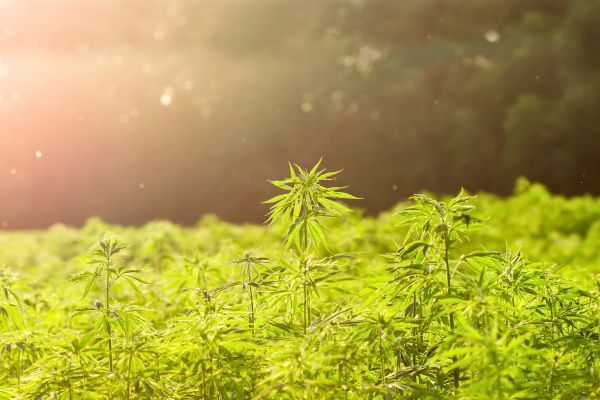
Hemp has played a vital role in American history—and today, it’s making a powerful comeback. From its early roots as a foundational agricultural crop to its modern use in wellness, sustainability, and industry, hemp continues to prove its value.
Dating back to the 1600s, hemp was widely cultivated across North America, including in Brattleboro, Vermont, where farmers relied on it for its durability and versatility. However, after both cannabis and hemp were restricted under the Marijuana Tax Act of 1937, hemp production sharply declined.
Now, thanks to widespread legalization across most of the United States, hemp is once again gaining recognition as one of the most useful and sustainable plants in the world. We explore topics like hemp, cannabis history, and modern regulation in more detail throughout our blog, helping readers better understand how these industries continue to evolve.
What Is Hemp — and How Is It Different From Cannabis?
Although hemp and marijuana come from the Cannabis sativa plant family, they are legally and functionally different. For consumers who are new to cannabis or hemp, many common questions about legality, use, and purchasing are addressed in our FAQ.
Hemp contains less than 0.3% THC, the compound responsible for cannabis’s psychoactive effects. Because of this, hemp does not produce a “high” and is primarily used for industrial, wellness, and commercial purposes.
Cannabis with higher THC levels, on the other hand, is used for medical and recreational purposes in states where it is legal.
Hemp’s low THC content makes it ideal for producing a wide range of non-intoxicating products, including CBD oils and tinctures, along with other wellness-focused options and sustainable materials.
CBD oils and tinctures
Non-psychoactive wellness products
Sustainable textiles and fabrics
Paper, rope, and building materials
In fact, hemp can be transformed into over 25,000 different products, making it one of the most versatile crops on Earth.
Hemp’s Historical Significance in the United States
Hemp reached its peak in the 1700s and 1800s, when it was considered an essential agricultural resource. Prominent historical figures—including George Washington—grew hemp on their farms.
It was used to produce:
Rope and ship sails
Clothing and fabrics
Paper and currency
At certain points in history, farmers were even required by law to grow hemp to support national economic and industrial needs.
Despite its importance, hemp became entangled in cannabis prohibition during the early 20th century, leading to decades of restricted use and misunderstood value.
Clearing the Confusion Between Hemp and Marijuana
The confusion between hemp and marijuana largely stems from their shared classification under early cannabis laws.
While both are cannabis plants, the distinction lies in THC concentration and intended use. Hemp is non-intoxicating and federally defined by its low THC content, while marijuana is cultivated for its psychoactive and recreational properties. Understanding these differences across different cannabis product types can help consumers shop more confidently.
Interestingly, cannabis was widely used as medicine in the early 1900s to help manage pain and other conditions. Today, public perception is shifting once again—especially in states like Vermont, where both hemp and cannabis are legally regulated and responsibly sold.
The Rise of Hemp and CBD Products in Vermont
The modern hemp industry is booming, largely driven by demand for hemp-derived CBD products. These non-psychoactive options are popular among consumers seeking balance and relaxation without intoxication, especially here in Vermont.
In Vermont, hemp plays an important role in:
CBD oil production
Sustainable farming practices
Eco-friendly consumer goods
Its resurgence supports both health-conscious lifestyles and environmentally responsible manufacturing.
The Future of Hemp in Brattleboro and Beyond
As hemp continues its comeback, its applications are expanding faster than ever. From wellness products to sustainable clothing and building materials, hemp is shaping the future of multiple industries.
With legalization in place across most of the country, hemp is once again becoming a cornerstone of innovation, sustainability, and local agriculture—especially here in Vermont. Many customers choose to explore hemp-derived products by visiting our Brattleboro location.
At Cannabis Maximus in Brattleboro, we celebrate hemp’s rich history and its growing role in the modern cannabis industry. We carry carefully selected hemp-derived products from trusted brands we carry, and our knowledgeable team is always available to help. If you have questions or want guidance before stopping in, feel free to contact our team.
Hemp’s story is far from over—and its future is brighter than ever.