If you shop for cannabis in Vermont, you may see products described as Vermont-grown, locally cultivated, or made by Vermont cannabis producers. The label generally refers to cannabis cultivated by licensed operators within Vermont, but it tells you where the cannabis was grown — not everything about the product itself.
From there, products can vary significantly depending on the grower, genetics, cultivation methods, harvest, curing process, terpene profile, cannabinoid content, and freshness. At Cannabis Maximus in Brattleboro, we carry products from a range of Vermont cultivators and are always happy to talk about who grew what’s on the shelf. Here’s what Vermont-grown really tells you — and what else is worth looking at when you shop.
What Does Vermont-Grown Mean?
Generally, Vermont-grown cannabis is cannabis cultivated within the state by licensed Vermont cannabis businesses. That can include small independent cultivators, larger licensed growers, family-run cannabis businesses, and craft-focused producers.
The term describes origin, not a guaranteed level of quality. Two Vermont-grown flower products can still be very different from one another, which is why the grower and product details often matter more than the label alone.
Why Grower and Genetics Matter
Cannabis is an agricultural product, and just as two farms can grow noticeably different apples, tomatoes, or hops, two cannabis cultivators can produce very different versions of the same cultivar. Genetics help shape a plant’s cannabinoid and terpene profiles, aroma, flavor, and overall characteristics, but growing conditions and post-harvest handling also play a major role.
Even when two cultivators grow the same named cultivar, the finished flower may not be identical. Differences can come from factors such as:
- Genetics
- Growing environment
- Harvest timing
- Drying and curing
- Storage
Cultivation, Drying, and Curing
Vermont growers may use indoor, greenhouse, or outdoor cultivation methods where permitted, and each approach can differ in lighting, environmental control, nutrient program, plant training, and harvest practices. There is no single cultivation method that automatically guarantees the best cannabis — what matters is the overall quality and consistency of the finished product.
The work does not stop at harvest. Drying and curing are important steps that influence moisture, aroma, texture, flavor, and overall freshness. Poorly stored or improperly handled flower can lose desirable characteristics over time, which is why packaging and storage matter after cultivation too.
Terpenes, Cannabinoids, and Freshness
Terpenes are aromatic compounds found naturally in cannabis and many other plants, and they are responsible for much of a product’s smell and flavor. Common cannabis terpenes include limonene, myrcene, pinene, caryophyllene, and linalool. A Vermont-grown flower product might have a citrus-heavy profile, while another smells earthy, piney, fruity, floral, or spicy.
THC and CBD are cannabinoids, and products with similar THC percentages can still smell, taste, and present very differently depending on their terpene profile and freshness. That is one reason choosing flower by THC percentage alone can cause you to overlook products that may be a better fit. Learn more in our guide to cannabis terpenes.
Does Vermont-Grown Mean Better?
No, not automatically. Being grown in Vermont does not guarantee that a product is stronger, safer, fresher, or higher quality than every alternative. Quality varies by producer and product, which is why it is useful to look beyond the geographic label and consider the actual flower.
Vermont-grown can still be meaningful because it gives shoppers more visibility into local cultivators and the state’s regulated cannabis market. For customers who already care about buying local food, coffee, or craft goods, exploring Vermont cannabis can follow a similar philosophy — but it should be a starting point for asking better questions, not a promise of superiority.
What Should You Look for When Buying Vermont Flower?
When comparing Vermont flower, it helps to look at several factors together rather than focusing on a single number:
- Grower
- Cultivar
- THC and CBD
- Terpene profile
- Packaging or freshness information
- Aroma and appearance
- Your own past preferences
Useful questions to ask include:
- Who grew this?
- Is it Vermont-grown?
- What are the dominant terpenes?
- When was it packaged?
- Is this a cultivar I have tried before?
Over time, you may start noticing growers, cultivars, or aroma profiles you consistently prefer, which can make future dispensary visits much easier.
Vermont-Grown vs. Vermont-Made
You may also see products described as Vermont-made, and the two terms should not automatically be treated as interchangeable. Vermont-grown refers to where cannabis was cultivated, while Vermont-made may refer to a manufactured product — such as an edible, concentrate, beverage, or tincture — produced in Vermont, often involving additional processing.
If the origin of the cannabis or ingredients matters to you, ask about the specific product. You can explore different formats in our Product Guide.
Explore Vermont Cannabis at Cannabis Maximus
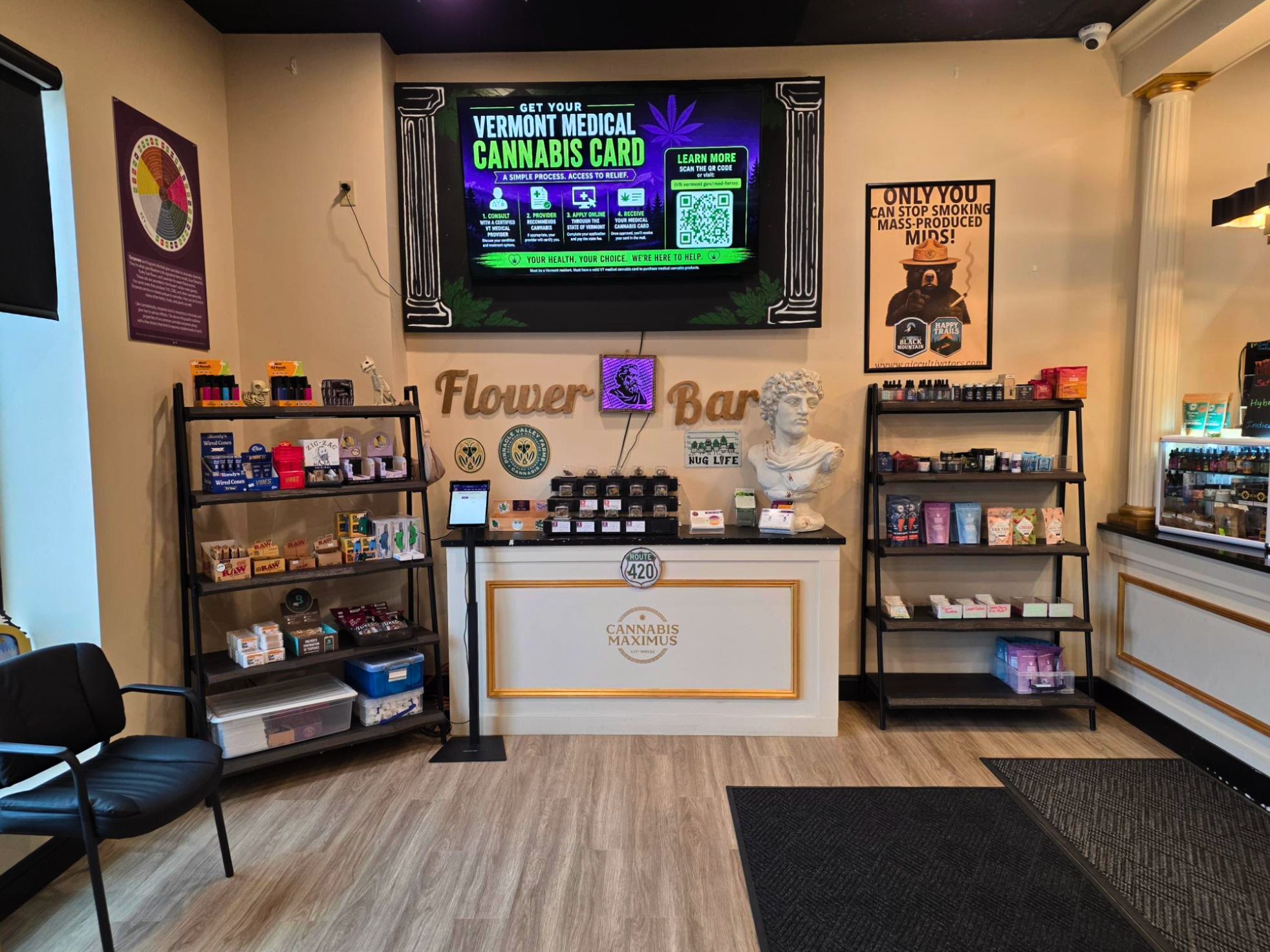
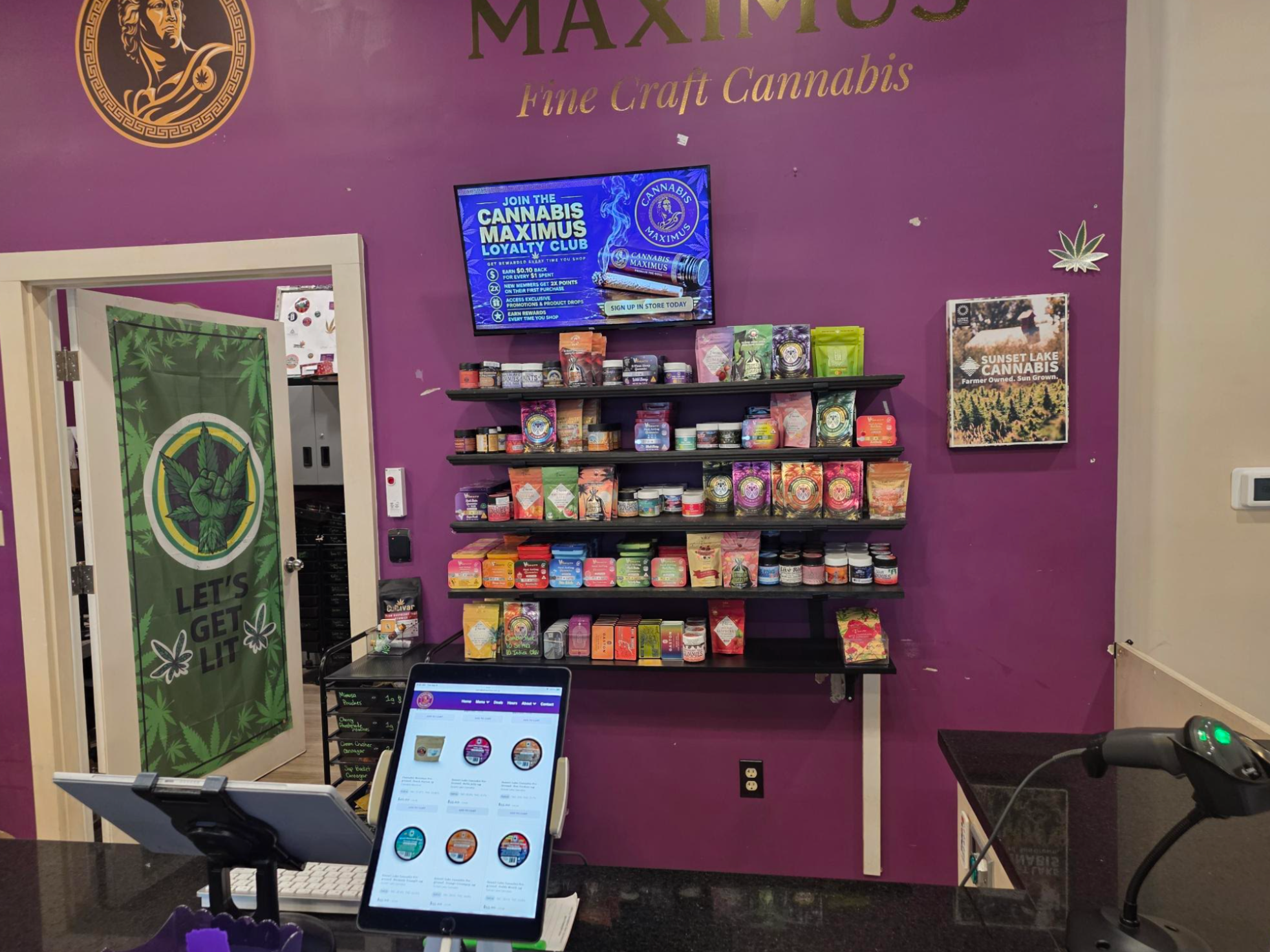
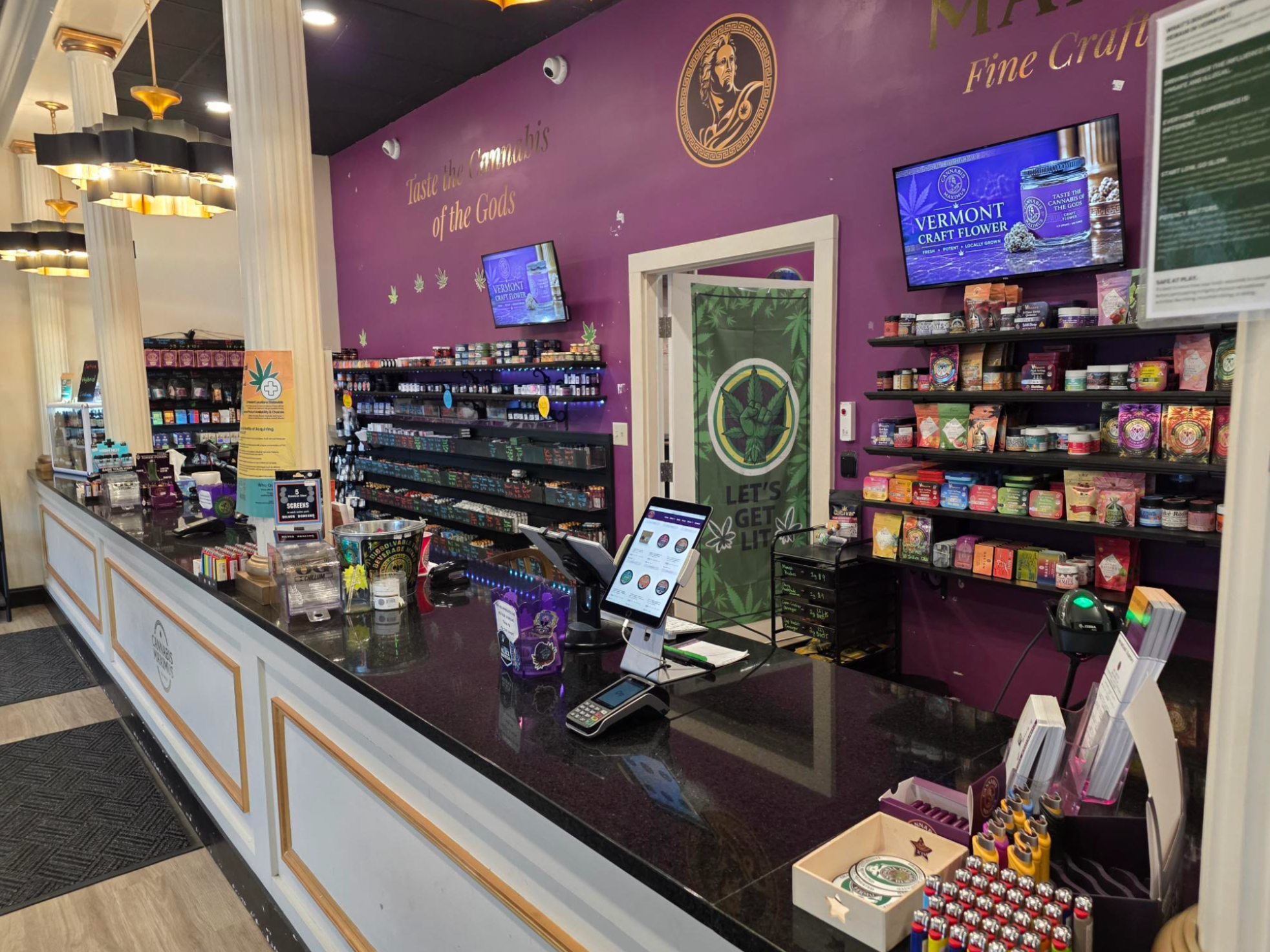
Cannabis Maximus is a family-owned recreational and medical cannabis dispensary in Brattleboro, Vermont. We carry a variety of cannabis products, including Vermont-grown and Vermont-made options when available, and our team can tell you more about the growers and producers behind what’s currently on the menu.
Browse the current menu before your visit, explore our Product Guide, or check our Location & Hours before stopping by.
Cannabis Maximus — Brattleboro, Vermont.
For adults 21+. Please consume responsibly. Cannabis affects everyone differently. Do not drive or operate a vehicle while impaired.